16 August 2026 · 5 min read
Fuel Market Volatility: The Rising Cost of Keeping Australia Moving
Diesel is one of the largest costs in road transport, and Australia's volatile fuel market is squeezing operators, businesses and consumers alike. Here's how fuel-price swings hit long-haul freight, why surcharges are necessary, and how Vexor keeps costs efficient.
Fuel is one of the largest operating expenses in road transport. The continuing volatility of Australia's diesel market is placing significant pressure on transport operators, businesses and, ultimately, Australian consumers.
Australian diesel prices are heavily influenced by international factors, including crude oil prices, refinery capacity, global demand, overseas conflicts, shipping disruptions and movements in the Australian dollar. Because Australia imports much of its refined fuel, changes in global supply can quickly affect local prices.
The impact on long-distance transport
The financial impact is particularly significant for interstate freight operators.
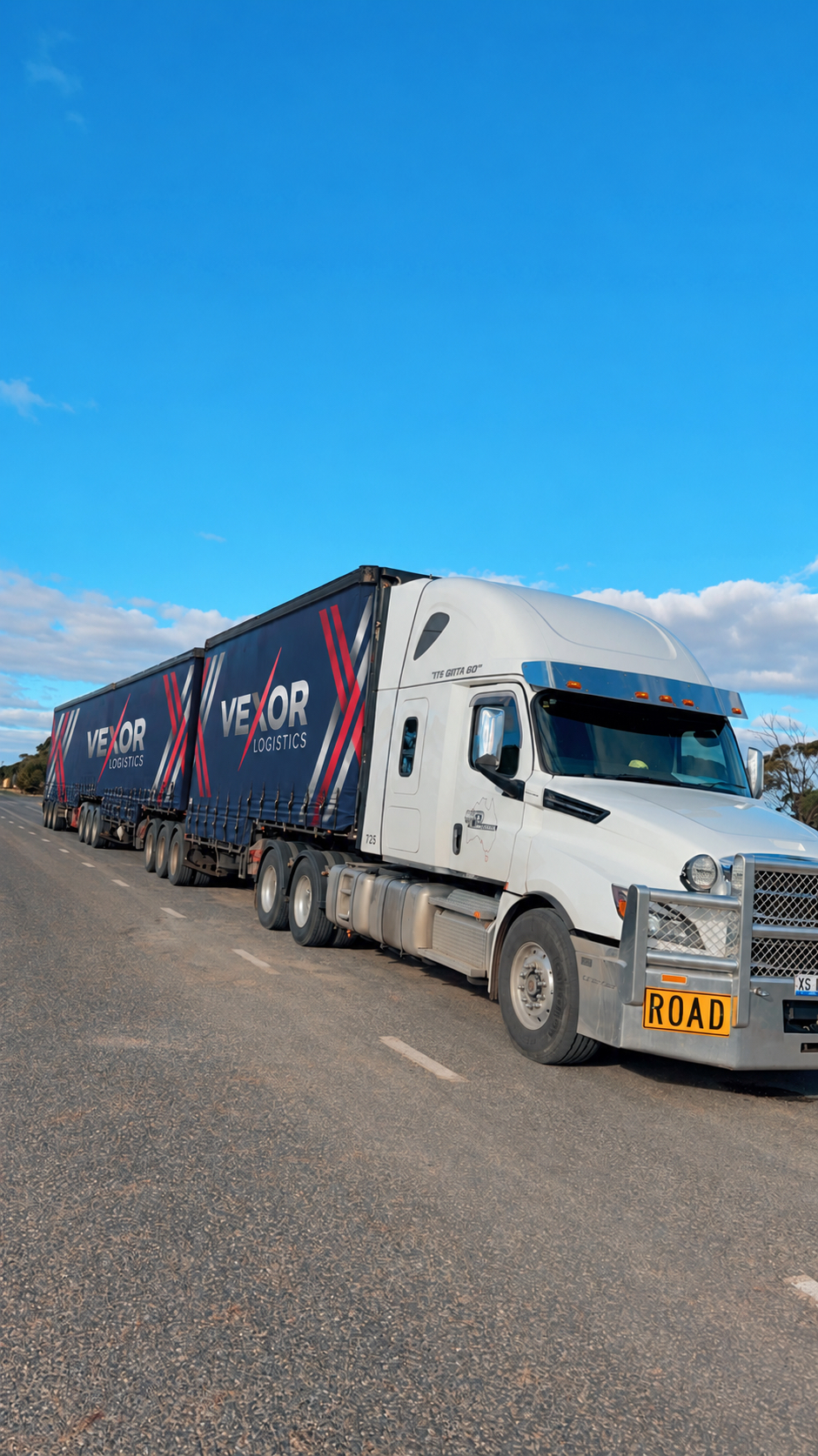
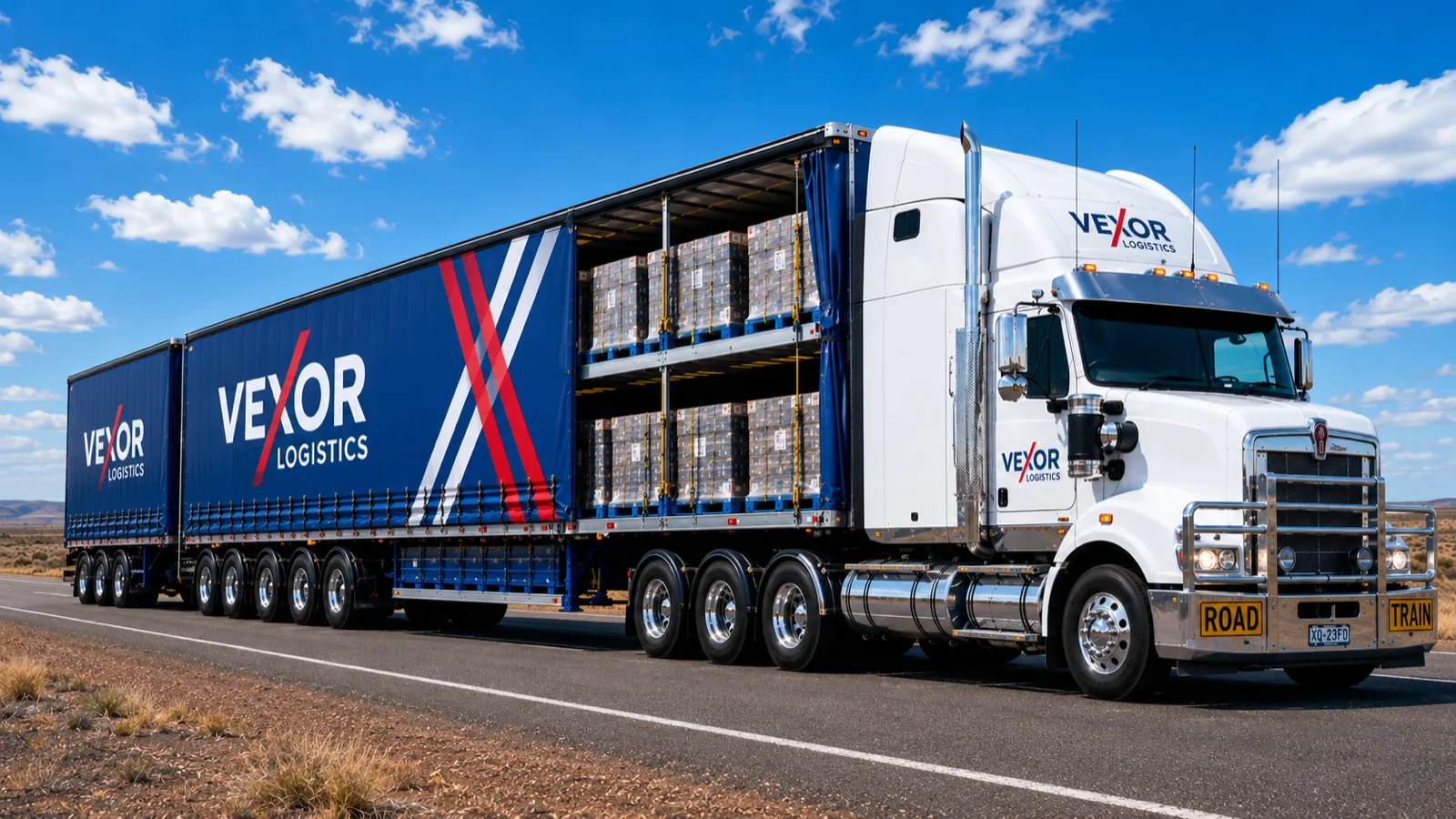
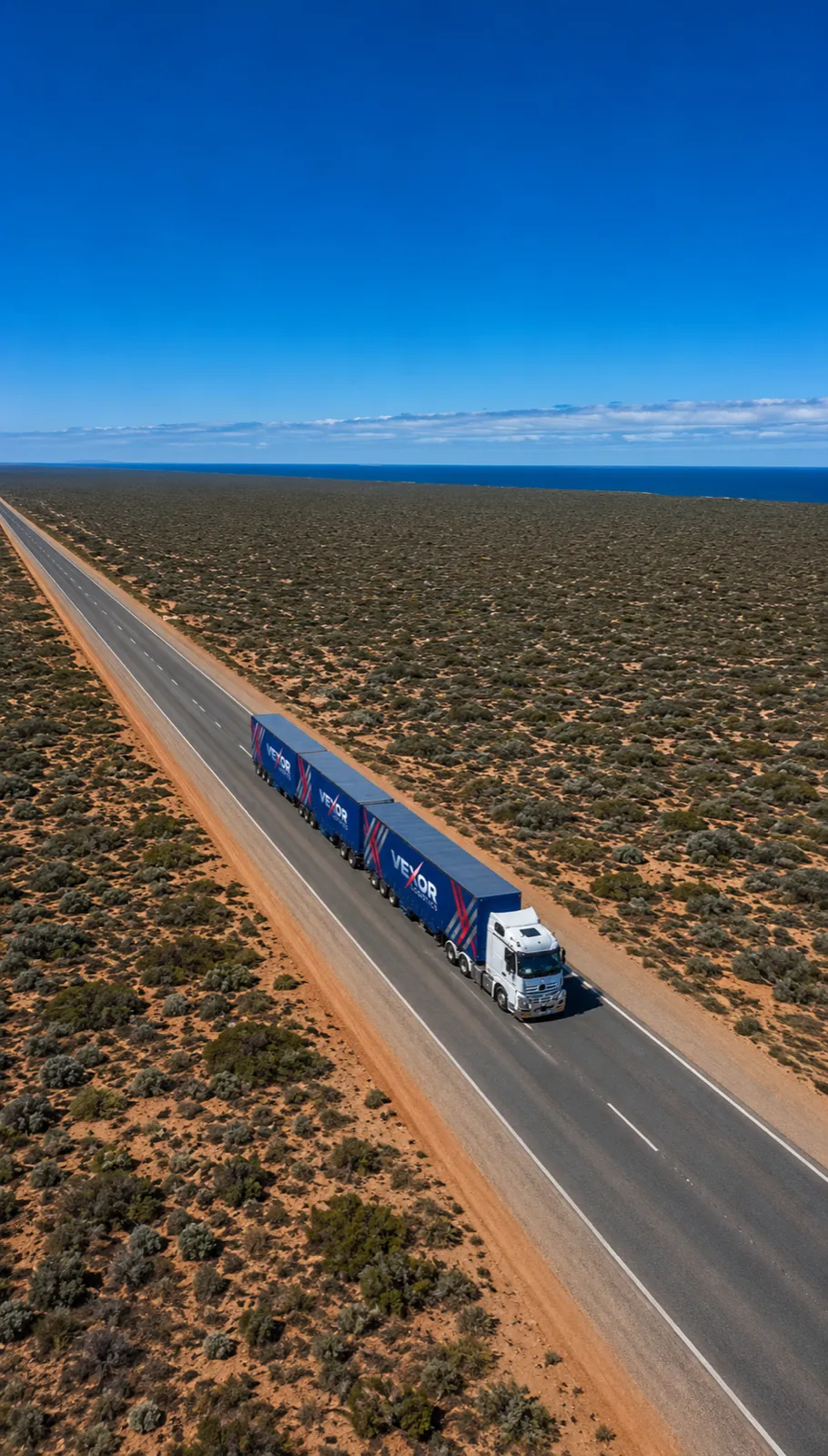
One of Vexor Logistics' longest east-west routes, from Sydney to Perth, is approximately 4,000 kilometres. Depending on the vehicle combination, load and operating conditions, a truck can use almost 3,000 litres of diesel travelling one way.
This means that a diesel increase of only 10 cents per litre can add nearly $300 to the cost of a single one-way trip. A 30-cent increase can add approximately $900, before considering the return journey.
Across an entire fleet completing multiple trips each week, these increases quickly become substantial.
Fuel costs also extend beyond the prime mover. Higher diesel prices affect forklifts, refrigeration units, depot equipment and support vehicles. They can also increase the cost of tyres, parts and other essential products that must be manufactured and transported before reaching a fleet operator.
Rising costs throughout the supply chain
Transport is involved in almost every product purchased in Australia, from food and household goods to machinery, construction materials and manufacturing supplies.
When fuel prices rise, manufacturers pay more to receive raw materials, distributors pay more to move stock, and retailers face higher delivery charges. Eventually, these additional costs flow through to the end consumer.
Australian Bureau of Statistics figures for the June 2026 quarter showed road-freight transport prices increasing by 15.5%, driven by higher fuel prices and fuel surcharges. This was the largest quarterly increase since the series began in 1997.
Why fuel surcharges are necessary
Transport operators cannot continue to absorb sudden and significant fuel-price increases. Fuel surcharges provide a transparent and practical way to adjust freight rates when diesel prices move beyond an established base level.
At Vexor Logistics, we believe customers should understand how fuel-market movements affect their freight costs. We remain focused on efficient route planning, maximising vehicle utilisation and reducing unnecessary kilometres wherever possible. We also invest in modern, fuel-efficient equipment and technology to keep costs down wherever we can.
However, when a Sydney-to-Perth service can consume almost 3,000 litres of diesel in one direction, even a small price increase has a major impact.
Vexor Logistics remains committed to providing reliable, transparent and competitive interstate freight services while helping our customers manage the challenges created by Australia's volatile fuel market.