29 September 2026 · 4 min read
Freight Without the Guesswork: What Corporate Customers Should Expect From Interstate Transport
For corporate logistics teams, a late delivery affects far more than one shipment. Here's what you should expect from an interstate transport partner: visibility you can act on, flexible equipment and clear accountability.
For corporate logistics teams, a late delivery affects more than one shipment. It changes receiving schedules, labour plans, inventory and the commitments you've made to your own customers.
So the question has changed. It's no longer just can you move my freight? It's can you help me plan around it?
Visibility you can act on
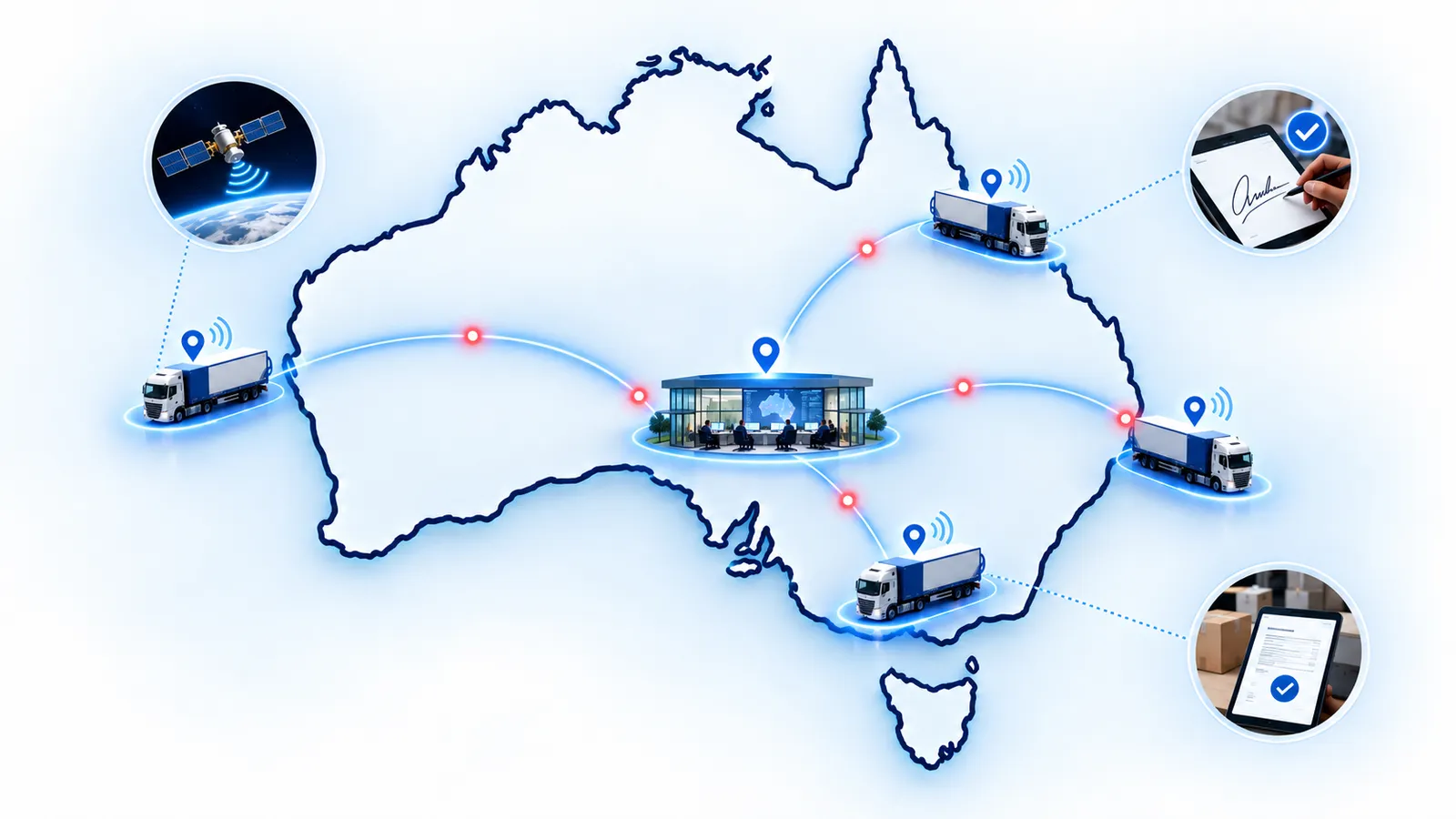
Vexor's interstate fleet runs on satellite tracking, electronic work diaries and transport management technology. Together they connect vehicles, drivers, trailers and depots across the network.
The value isn't a dot on a map. It's knowing early enough to act. If you know a load is on schedule, you can plan receiving labour with confidence. If you know about a delay early, you have time to adjust staffing, reprioritise stock or update your customers before it becomes a problem.
Smarter use of equipment
Our V-DAQ implementation has improved visibility across the network. That helps us allocate vehicles and trailers, coordinate depots and recover service when something goes wrong.
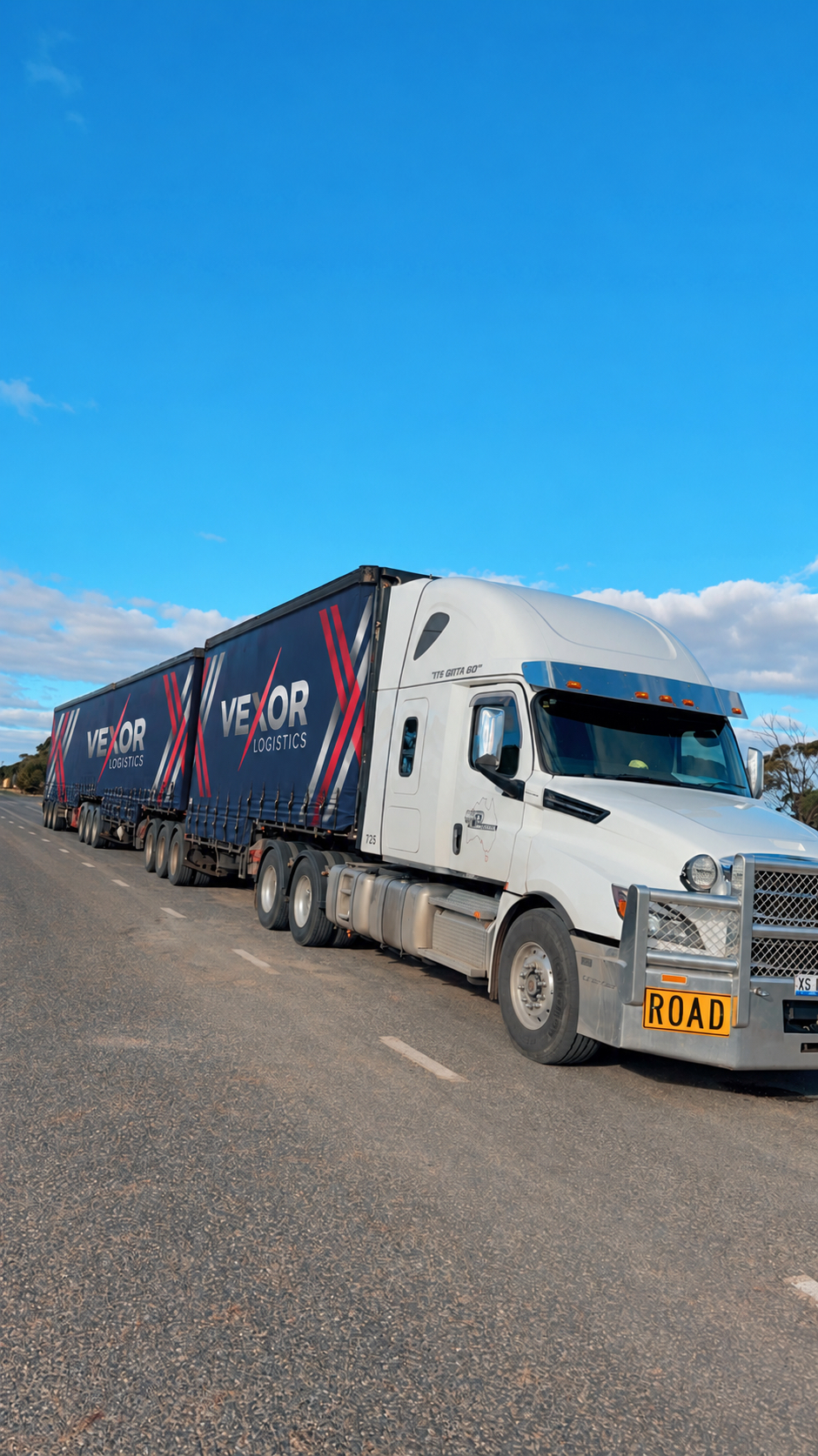
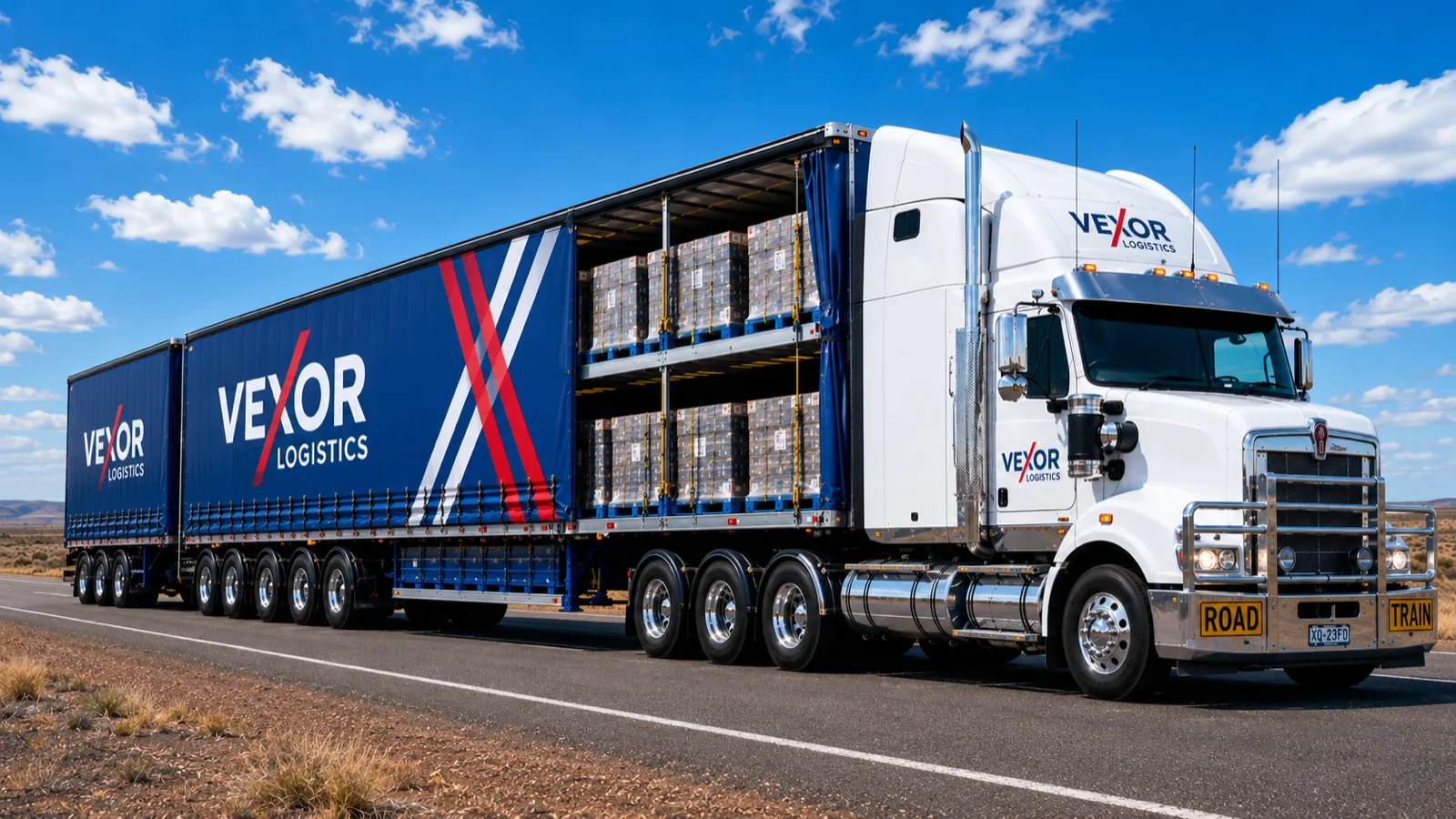
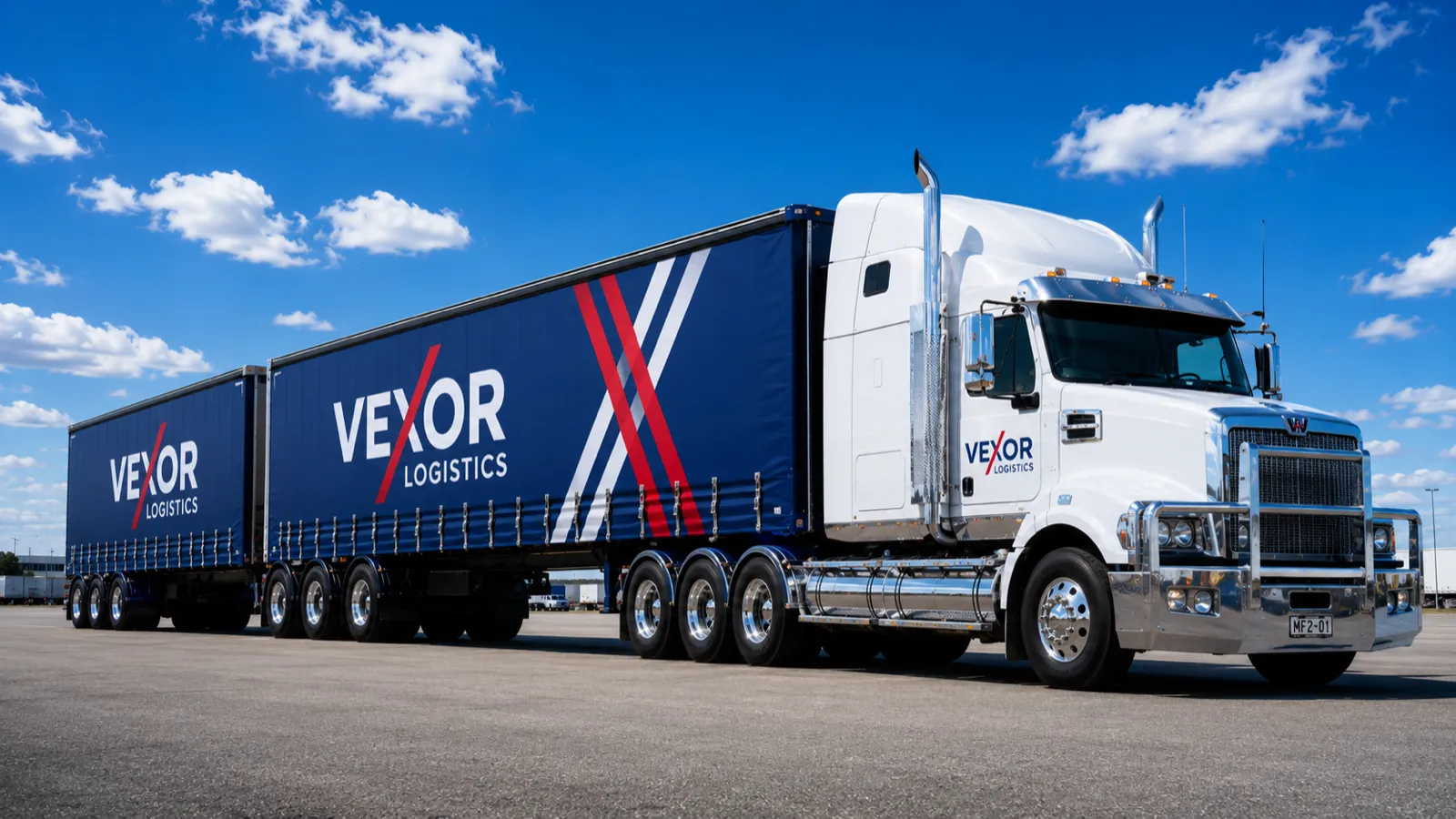
Depending on the route, we run B-doubles, B-triples, AB-triples and road trains. Trailers arriving in Adelaide can be reconfigured into larger combinations for the run west, so the equipment matches the freight task. For customers, that means more consistent capacity on the East–West corridor. It also means seasonal peaks or project surges don't have to be solved from scratch each time.
Technology, backed by people
Systems provide information. People make the call.
Long-haul freight still has to deal with weather, road conditions, site access and disruptions no system can fully predict. Our drivers and operations teams use technology to inform their judgement, not replace it. When exceptions happen, they're assessed in context and handled by people who know long-distance transport.
One network, clear accountability
Vexor operates its own fleet and depots across Sydney, Melbourne, Adelaide and Perth. Adelaide coordinates freight and equipment between eastbound and westbound services.
When freight passes through multiple locations, responsibility shouldn't get lost along the way. You should always know who owns your freight, where to get information and who to call when plans change.
What you should expect
- Reliable information that supports planning and reporting
- Early warning of exceptions, so your team has time to respond
- Flexible equipment that scales with your volumes
- Clear communication when conditions change
- One accountable partner from pickup to delivery
Good transport technology shouldn't add complexity. It should mean less time chasing updates, more confidence in your plans and fewer surprises across your supply chain.
Vexor Logistics. Connecting Australia's East Coast to Western Australia.